Mid-Season Sale – Get Up to 10% Off at Checkout
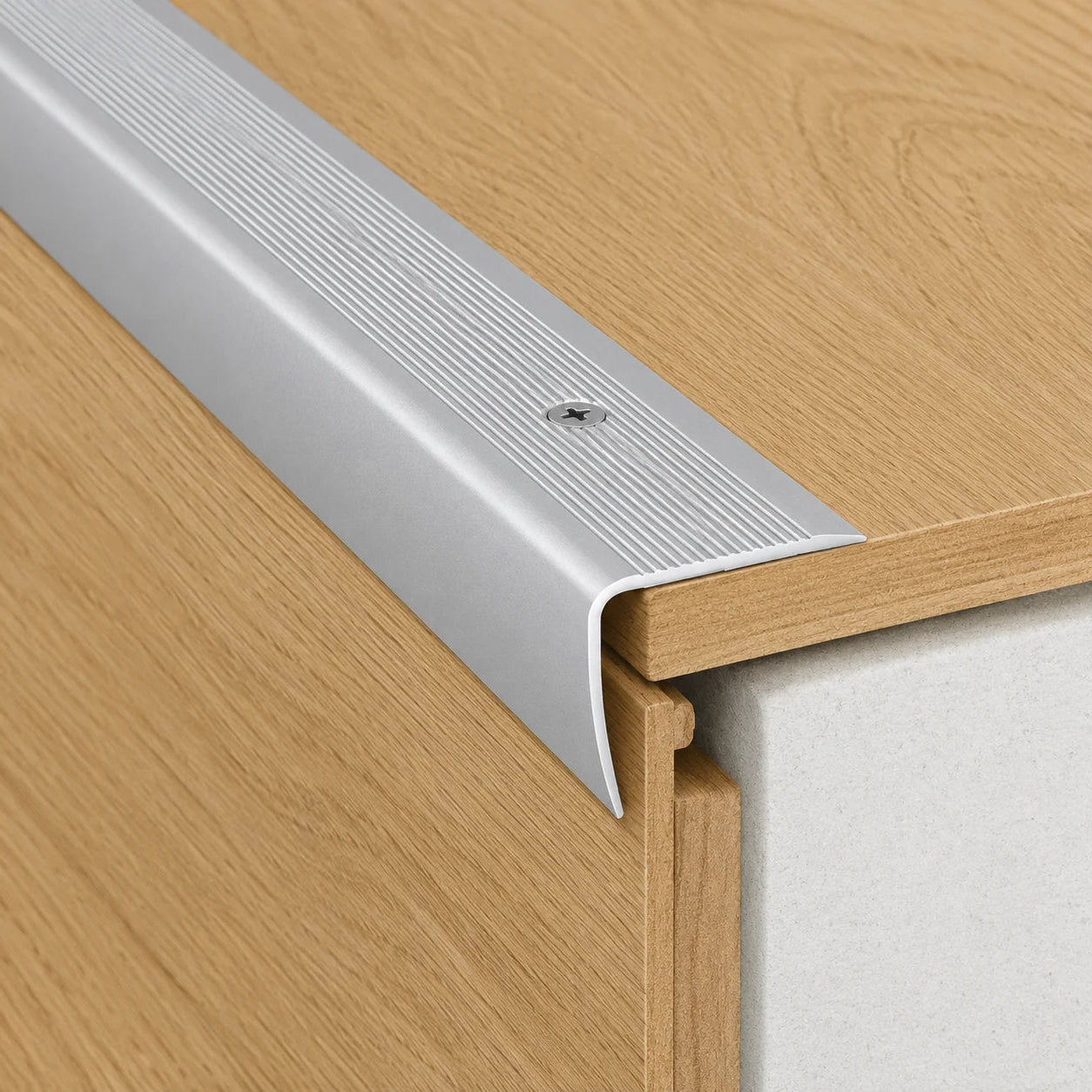
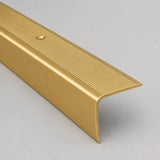
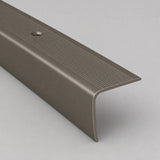
Stair nosings, also known as step nosings or stair edge trims, are essential for reinforcing the leading edge of each step. They help to reduce slips and trips, while also protecting the stair treads from impact and wear. In addition, many profiles are designed to comply with UK accessibility and safety guidance, where features like slip resistance and step-edge contrast are crucial for user safety.
Selecting the correct stair nosing depends on your finished floor material and installation method. At StairNosing.uk, we provide specialized options tailored to various flooring types:
Our stair nosing trims come in a wide range of materials and profiles to suit different environments and traffic levels:
In high-traffic or higher-risk environments, such as schools, hospitals, and public buildings, anti-slip stair nosings are crucial for improving safety. Textured surfaces and anti-slip inserts enhance grip at the stair edge, reducing accidents and boosting confidence when using stairs.
While stair nosings are not mandatory in every situation, they play a vital role in supporting the intent of UK building safety and accessibility guidelines, including Part M of the Building Regulations and BS 8300. In commercial and public environments, stair edge trims help improve visibility and reduce slip risk.
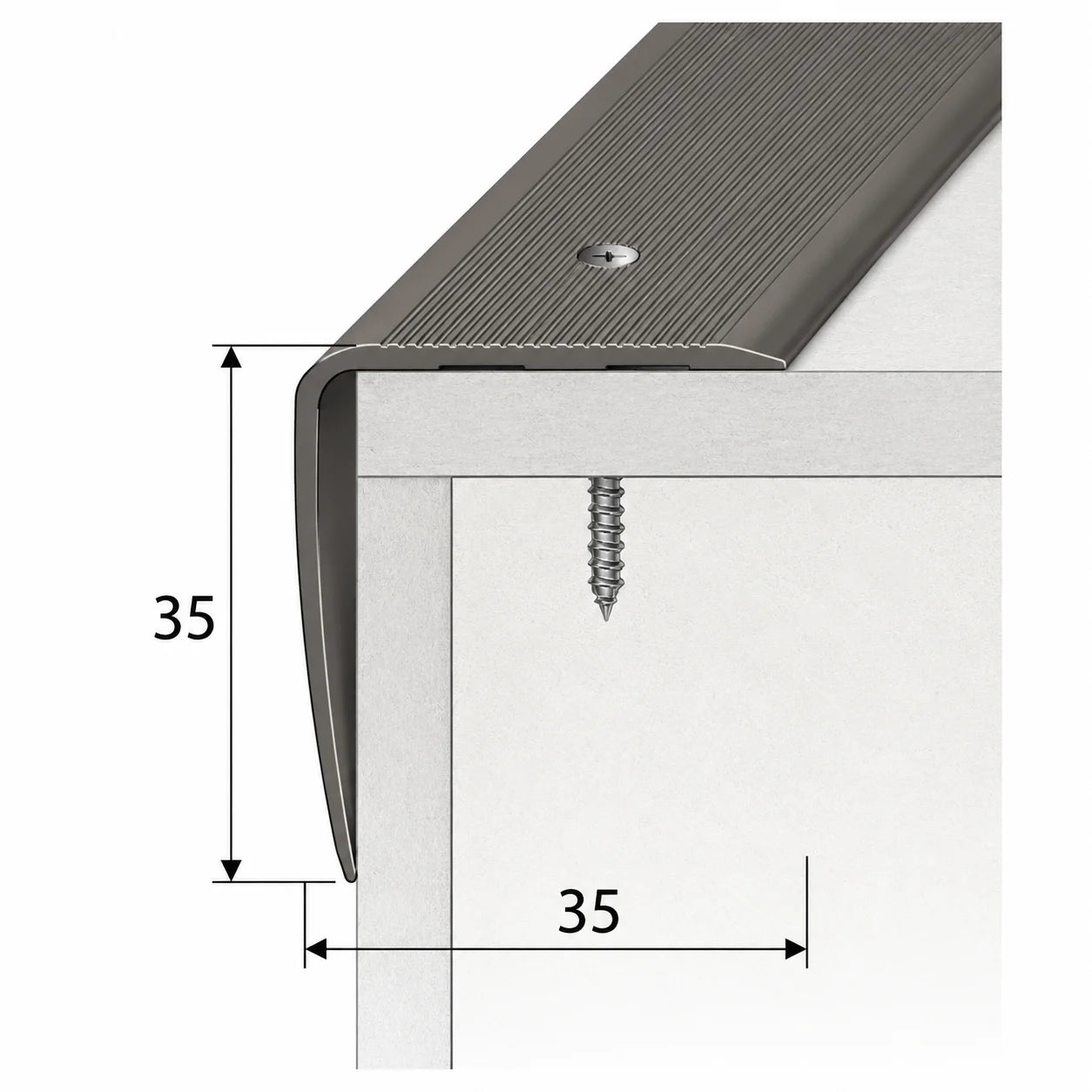
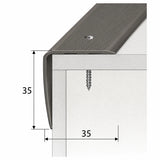
Many of our stair nosings are supplied with pre-drilled fixing holes, ensuring secure mechanical installation. Others are designed for adhesive fixing, depending on your environment. Once installed, they help preserve stair edges with minimal maintenance.
Explore our extensive collection of anti-slip stair nosings and aluminium stair nosings at StairNosing.uk to find the right trim for your project. Whether for new installations or retrofit projects, we offer variety, safety, and style.
Yes, we provide nationwide delivery options for our stair nosing products, ensuring fast and reliable shipping to locations across the UK.
For high-traffic UK environments, aluminium and GRP anti-slip stair nosings are highly recommended due to their durability, slip resistance, and suitability for demanding applications.
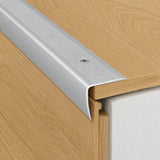
For laminate stairs, we recommend laminate stair nosings or aluminium stair nosing to provide a clean finish and durable edge protection that complements the look of the flooring.
Many of our stair nosing products are designed for easy installation. Some come with pre-drilled holes for screw fixing, while others feature adhesive backing for tool-free installation.
Nam tempus turpis at metus scelerisque placerat nulla deumantos solicitud felis. Pellentesque diam dolor, elementum etos lobortis des mollis ut risus. Sedcus faucibus an sullamcorper mattis drostique des commodo pharetras loremos.
To make curved stair nosing, you will need flexible material like rubber or PVC that can bend to fit the shape of your stairs. Simply measure the curve of your staircase, cut the nosing material to fit, and use a strong adhesive or screw to attach it securely. For a cleaner look, consider using pre-made curved stair nosing profiles.
Stair nosing is used to protect the edges of stairs from damage, enhance safety by providing a slip-resistant surface, and improve the visual appearance of the stairs. It helps reduce the risk of slips and trips by providing extra grip on the stair edge, especially in high-traffic areas.
To repair stair nosing, you may need to replace a damaged or worn-out piece. Simply remove the old nosing using a scraper or saw, clean the surface, and install a new piece using adhesive or screws, depending on the material and installation method.
You can purchase stair nosing at hardware stores, home improvement centers, or online retailers like StairNosing.uk. Many suppliers offer a wide variety of profiles, materials, and finishes to suit different flooring types and installation methods.
To cut metal stair nosing, use a metal saw or a hacksaw. Measure the desired length, mark the cut line, and carefully saw along the line. Always wear safety goggles and gloves while cutting to protect against metal shards.
Stair tread nosing is the part of the stair nosing that protrudes over the edge of the stair tread. It helps protect the stair edges and provides a more comfortable, slip-resistant surface.
To install stair nosing, align it with the edge of your stairs and either use screws to fix it in place or apply adhesive for a clean, screw-free finish. Pre-drilled holes or adhesive-backed options make installation simple and fast.
To fix stair nosing, ensure the surface is clean and dry, then either use the provided screws to secure it or apply the self-adhesive backing for a tool-free installation. For extra security, some nosing options may require additional glue or nails.
Most stair slips occur at the nosing edge, especially on smooth, slippery surfaces like tile, vinyl, or wood. Anti-slip stair nosing can help reduce this risk by improving traction and providing better grip on the stair edges.
To create stair nosing from engineered hardwood, measure and cut the wood to match the stair edge. Apply wood adhesive or use screws to secure the nosing. Make sure the wood is finished to match the stairs and provide a polished look.
For concrete stairs, use adhesive stair nosing that is specifically designed for concrete surfaces. Alternatively, drill holes in the concrete and use screws to fix the nosing securely in place.
Laminate stair nosing can be made by cutting laminate planks to size and attaching them to the stair edge. You can use adhesive or screws for installation, ensuring the nosing fits snugly and provides a smooth, secure finish.
To install laminate on stairs with stair nosing, first lay the laminate flooring on the stairs, then attach the stair nosing over the edges using adhesive or screws. This will create a seamless transition and protect the edges from wear.
To attach stair nosing, simply align the nosing with the edge of the stair and either use adhesive for a smooth finish or screws to fix it firmly in place. Make sure the nosing is securely attached to prevent movement.
Aluminium, brass, rubber, and PVC are common materials used for stair nosing. Each material offers different benefits, including durability, slip resistance, and aesthetic appeal.
To install stair nosing for laminate flooring, align the nosing with the edge of your stairs, then use adhesive or screws to fix it in place. This will ensure a clean and secure transition between the laminate floor and the stair tread.