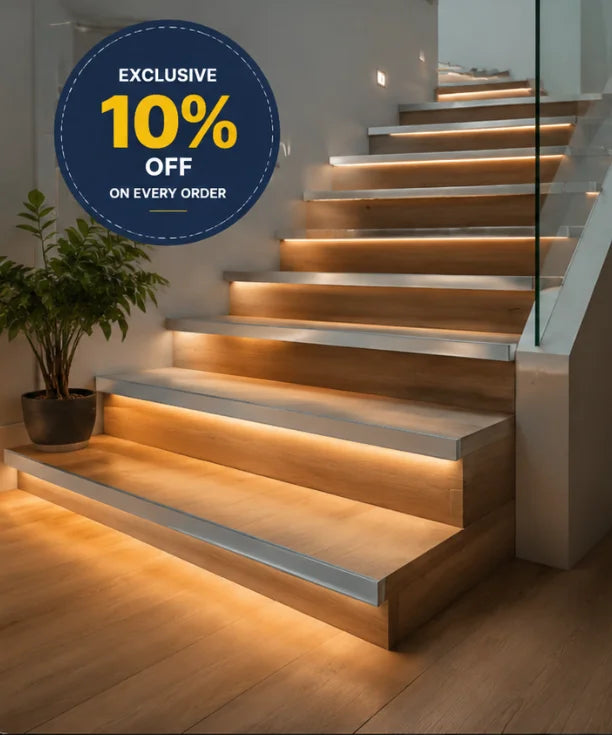
How Stair Nosings Improve Accessibility & Safety in Public Buildings
Public buildings should be safe, accessible, and easy to navigate for everyone. From schools and hospitals to offices, shopping centres, apartment blocks, and transport hubs, stair safety plays an important role in reducing accidents and improving accessibility for all users. One simple but highly effective solution is the use of stair nosings.
Stair nosings improve grip, increase step visibility, reduce edge wear, and help people move safely through public spaces — especially in busy or high-traffic environments. For modern public buildings in the UK, anti-slip stair nosings are no longer just a finishing detail. They are an important part of accessibility, safety, and long-term building maintenance.

What Are Stair Nosings?
Stair nosings are protective profiles fitted to the front edge of stair treads. They are commonly manufactured from materials such as:
- Aluminium
- Rubber
- PVC
Many stair nosings also include anti-slip inserts or textured surfaces designed to improve traction and visibility. Stair nosings are widely used in:
- Schools
- Hospitals
- Offices
- Retail centres
- Apartment buildings
- Hotels
- Public walkways
- Transport stations
Why Accessibility Matters in Public Buildings
Public buildings are used by people of all ages and physical abilities. This includes:
- Elderly individuals
- Children
- People with visual impairments
- Wheelchair users
- Individuals with reduced mobility
- Visitors unfamiliar with the building layout
Poorly designed staircases can increase the risk of:
- Slips
- Trips
- Falls
- Loss of balance
- Serious injuries
In busy public environments, even a minor stair accident can lead to liability issues, costly repairs, and accessibility concerns. Stair nosings help reduce these risks while making staircases easier and safer to use.
How Stair Nosings Improve Stair Safety
Improved Slip Resistance
One of the biggest causes of stair accidents is slippery stair edges. Wet weather, polished surfaces, dirt, and heavy foot traffic can reduce grip on stairs, especially in public entrances and external areas.
Anti-slip stair nosings improve traction by using:
- Textured surfaces
- Ribbed inserts
- Rubber anti-slip strips
- Abrasive safety inserts
This helps users maintain better grip while walking up or down stairs. Anti-slip stair nosings are particularly important in:
- Entrance areas
- Outdoor staircases
- Public walkways
- Schools
- Commercial buildings
Better Step Edge Visibility
Clearly visible stair edges help people identify where each step begins and ends. This is especially important for:
- Elderly users
- People with reduced vision
- Visitors in unfamiliar buildings
Many stair nosings include contrasting colours that make step edges easier to see in:
- Low lighting
- Rainy weather
- Busy environments
- Shadowed stairwells
Improved visibility helps reduce missed steps and trip hazards.
Reduced Stair Edge Damage
Stair edges experience constant impact from foot traffic, cleaning equipment, trolleys, and general daily use. Without protection, stair edges can become:
- Chipped
- Worn
- Cracked
- Uneven
Damaged stair edges create additional trip hazards and increase long-term repair costs. Stair nosings help protect stair edges and extend the lifespan of staircases in high-traffic public buildings.
Accessibility Benefits of Stair Nosings
Supporting Safer Movement for Visually Impaired Users
Visual contrast is an important part of stair accessibility. Contrasting stair nosings help users distinguish between:
- Stair edges
- Treads
- Landings
- Floor level changes
This makes public buildings safer and easier to navigate for people with visual impairments. Many UK accessibility recommendations encourage the use of contrasting stair nosings to improve public safety.
Helping Create Inclusive Public Spaces
Accessible design is about making buildings usable for everyone. Stair nosings contribute to inclusive design by helping improve:
- Confidence while using stairs
- Safer movement between levels
- Visibility in public environments
- Stability on busy staircases
This is especially important in buildings with high visitor numbers.
Stair Nosing Regulations and UK Accessibility Guidance
Public buildings in the UK often consider guidance related to:
- Approved Document K
- Approved Document M
- BS 8300 accessibility standards
These guidelines focus on:
- Stair safety
- Slip resistance
- Visual contrast
- Accessibility
- Safe movement within buildings
Commercial and public buildings should ensure staircases are designed to reduce risks and improve accessibility for all users.
Best Stair Nosing Materials for Public Buildings
Aluminium Stair Nosings
Aluminium stair nosings are one of the most popular options for public and commercial buildings.
Benefits include:
- Excellent durability
- Corrosion resistance
- Modern appearance
- Anti-slip insert compatibility
- Low maintenance
They are commonly used in:
- Schools
- Offices
- Shopping centres
- Apartment blocks
- Public entrances
Rubber & PVC Stair Nosings

Rubber and PVC stair nosings are ideal for areas where comfort and traction are important.
Advantages include:
- Good wet-weather grip
- Reduced impact noise
- Comfortable underfoot feel
- Flexible installation
These are commonly used in:
- Schools
- Community centres
- Residential buildings
- Leisure facilities
External Stair Nosings for Public Safety
Outdoor stairs can become dangerous during:
- Rain
- Frost
- Snow
- Moss buildup
External anti-slip stair nosings help improve safety in exposed environments by increasing traction and improving step visibility. For public outdoor staircases, weather-resistant stair nosings are essential for long-term performance and safety.
Common Stair Safety Mistakes in Public Buildings
Using Smooth Stair Finishes
Smooth stair edges may look attractive but can become slippery in wet or busy environments. Anti-slip finishes provide safer long-term performance.
Poor Colour Contrast
If stair nosings blend into the stair surface, users may struggle to identify step edges clearly. Contrasting nosings improve visibility and accessibility.
Ignoring Stair Maintenance
Damaged or loose stair nosings can create additional hazards. Regular inspection and maintenance help ensure stair safety remains effective over time.
Choosing the Right Stair Nosing for Public Buildings
When selecting stair nosings, consider:
- Slip resistance
- Durability
- Visibility
- Accessibility
- Traffic levels
- Indoor or outdoor use
- Maintenance requirements
High-quality aluminium stair nosings with anti-slip inserts are often the preferred solution for modern public buildings because they combine durability, appearance, and reliable safety performance.
Explore commercial stair safety solutions at
Stair Nosing UK
FAQs
Why are stair nosings important in public buildings?
Stair nosings improve grip, visibility, accessibility, and stair edge protection, helping reduce slip and trip risks in public spaces.
Do stair nosings improve accessibility?
Yes. Contrasting and anti-slip stair nosings help users identify stair edges more clearly and move more safely through buildings.
Are anti-slip stair nosings suitable for outdoor use?
Yes. External anti-slip stair nosings are designed for wet weather and exposed public environments.
Which stair nosing material is best for public buildings?
Aluminium stair nosings with anti-slip inserts are one of the most widely used solutions due to their durability, appearance, and low maintenance requirements.
Can stair nosings be installed on existing stairs?
Yes. Stair nosings can usually be retrofitted onto concrete, timber, tiled, and metal staircases.
Final Thoughts
Stair nosings are an important part of creating safer and more accessible public buildings. By improving traction, visibility, and stair edge durability, anti-slip stair nosings help reduce accidents while supporting inclusive building design for users of all ages and abilities. Whether used in schools, offices, hospitals, retail centres, or apartment buildings, high-quality stair nosings provide long-term safety and performance benefits for both indoor and outdoor environments.
Browse durable anti-slip stair nosings and commercial stair safety solutions at
Stair Nosing UK